

Clear the Damage. Reclaim the Property.
Fire-Damaged Structure Demolition In Hampton Roads, VA
Norfolk, Portsmouth, Suffolk, and Local Areas.
Gipp Solutions removes burned, weakened, and unsafe fire-damaged structures across Hampton Roads. We’ll handle all related tear-down, debris removal, and site clearing work for your project.
Strategic Fire-Damage Demo
Burned Structure Removal, Safely
A fire-damaged structure can sit in limbo long after the flames are gone. Gipp Solutions removes charred framing, collapsed sections, smoke-damaged materials, and other unsafe debris from the property, ready for the next project to begin.
Request a Quote
Ready to Work Together? Fill in your info below!

We Prioritize Safe Demo & Removal
Fire-damaged structures can shift, weaken, or collapse in ways that aren’t obvious from the outside. We approach the job with the right planning, equipment, and caution.
01.
Burned House Demolition
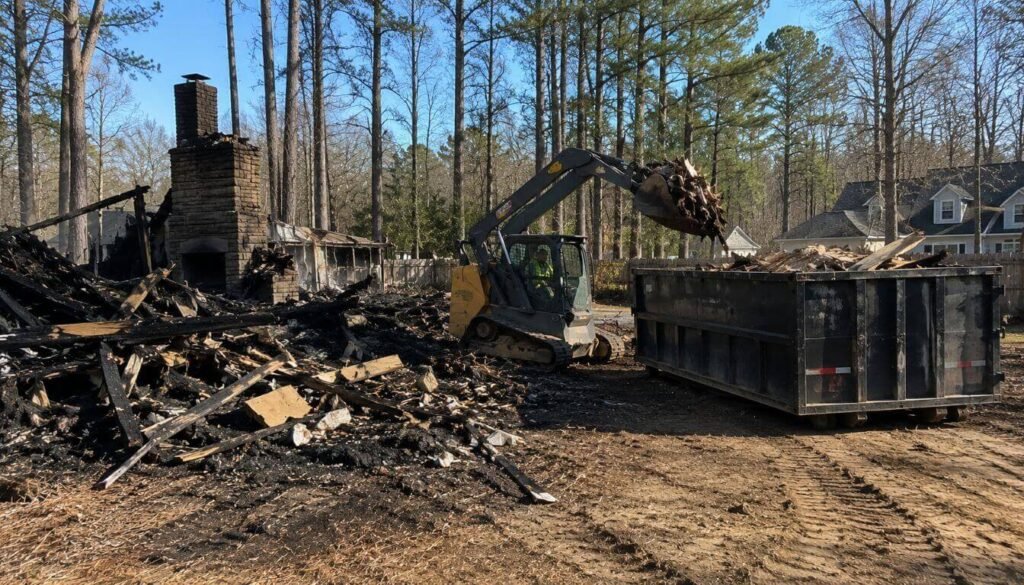
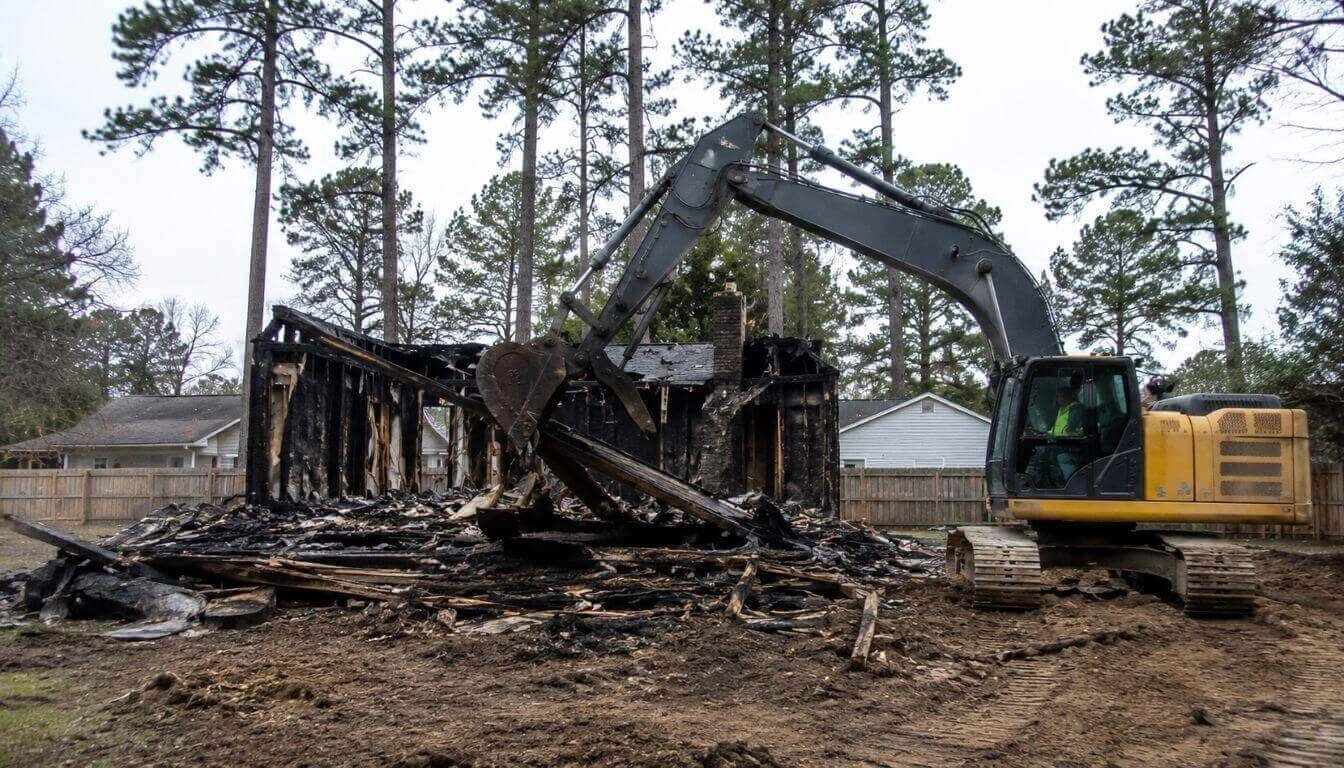
Demolition of a burned house requires caution since fire can weaken framing, roof sections, floors, walls, and support areas in ways that aren’t always visible from the outside. We evaluate the condition of the structure, damaged sections, utility status, debris load, and surrounding property before work begins. Whether the home has severe smoke damage, partial collapse, heavy charring, or unsafe interior areas, our team removes the damaged structure, loads out the debris, and clears the site for the next major project.
02.
Fire-Damaged Building Removal
Fire-damaged building removal covers residential structures, detached buildings, damaged additions, garages, sheds, and other burned structures that can’t safely remain on the property. These jobs may involve collapsed materials, exposed framing, brittle roofing, broken glass, soaked debris, and mixed waste from firefighting efforts. We plan the removal around the condition of the structure and the layout of the site, complete the teardown in a controlled way, and haul away the remaining debris so the area can be cleaned up for repairs, rebuilding, sale, or future construction.
Post-Fire Site Cleanup
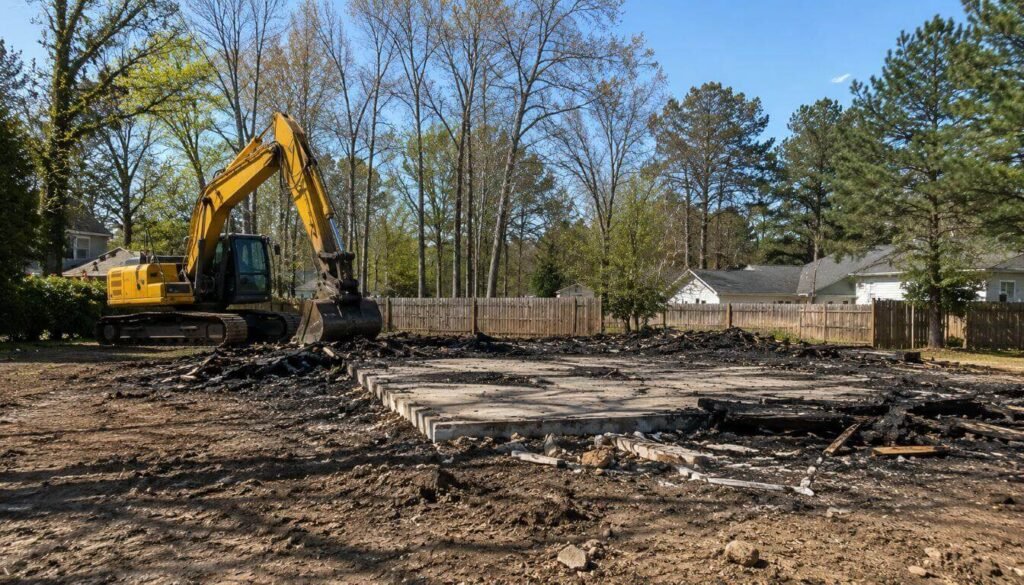
After fire demolition, the ground often still holds ash, nails, small metal pieces, broken glass, and charred scraps. We clear remaining surface debris and rough waste from the removal area, then leave the site ready for inspection, grading, rebuilding, or future use.
03.
Partial Fire Damage Demolition
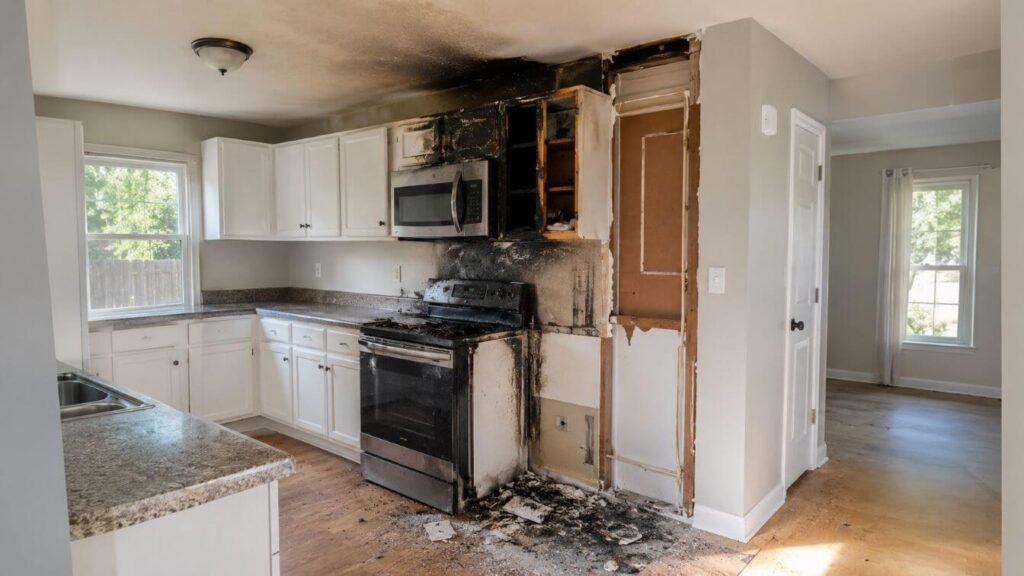
Partial fire damage demolition is used when only certain sections of a structure need to be removed after a fire. This may include burned rooms, damaged additions, compromised walls, charred framing, roof sections, porch areas, or other parts of the building that need to come out before repair work can begin. We focus on the affected areas, review how the damaged materials connect to the rest of the structure, and remove what’s included in the scope so the property is better prepared for restoration, reconstruction, or further evaluation.
04.
Fire Damaged Debris Removal
Fire debris removal helps clear the heavy mess left behind after a structure fire. Burned lumber, roofing, siding, drywall, insulation, metal, fixtures, glass, and water-soaked materials can pile up quickly and make the property difficult to access. We remove the damaged material, load the debris, and haul it away so the site is no longer covered in unstable waste. This service is useful after full demolition, partial tear-outs, insurance-related cleanup steps, or when a property owner needs the burned area cleared before the next phase.
Previous Work
Completed Jobs
Mobile Home
Suffolk, VA
Site Clearing
Suffolk, VA
Debris Cleanup
Virginia Beach, VA
Land Clearing
Suffolk, VA
Additional Information
Fire Damaged Structure FAQs
After a fire, the structure may be unstable, exposed, partially collapsed, or unsafe to walk through. These answers cover burned building removal, damaged sections, debris, cleanup, site access, and other info related to the cleanup process.
Yes. We can remove houses that have been damaged by fire when the structure needs to come down instead of being repaired.
Burned homes can have weakened framing, roof damage, collapsed sections, and unsafe materials, so we review the condition of the property before planning the teardown.
Yes. In some cases, the whole structure doesn’t need to come down.
We can handle partial fire damage demolition for burned rooms, additions, porch areas, roof sections, or damaged exterior sections when the project calls for selective removal instead of full demolition.
Yes. Utilities should be safely disconnected before demolition begins. Fire-damaged structures can involve electrical hazards, gas concerns, water damage from firefighting, and unstable materials, so those issues need to be addressed before the removal work moves forward.
Yes. Fire debris can include charred wood, roofing, siding, drywall, insulation, glass, metal, and water-soaked material.
We can load and haul away the damaged debris so the property isn’t left covered with burned waste, sharp material, or scattered remains from the structure.
That’s common after a fire. We don’t need to rely on normal interior access if the structure is too unstable.
We evaluate the building from safer areas, look at visible damage, and plan the demolition around the safest way to remove compromised materials.
Yes. Many fire-damaged structure projects are done so the owner can move forward with repair work, rebuilding, insurance steps, resale, or general property cleanup.
Once the damaged structure and debris are removed, the site is easier to access and prepare for the next phase.
Cost depends on the size of the structure, severity of the fire damage, collapse risk, amount of debris, disposal needs, site access, attached sections, and cleanup scope.
A small burn-damaged outbuilding is different from a heavily damaged home with collapsed roofing, wet debris, and limited equipment access.